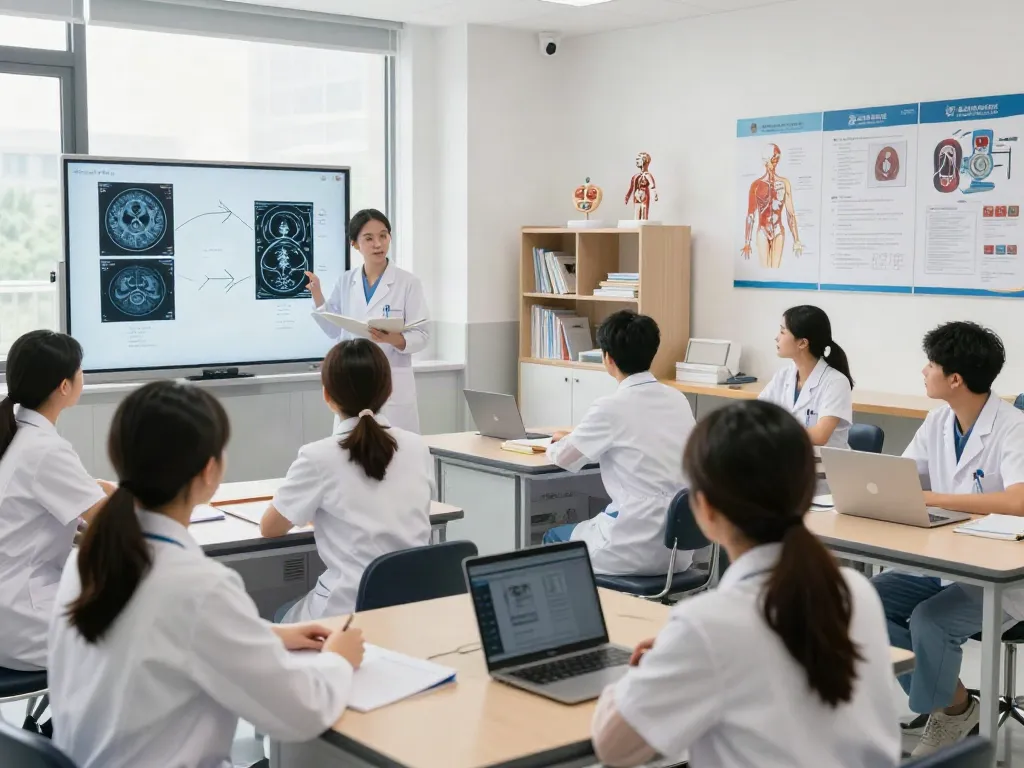
Understanding the Basics of Radiology
Radiology is a critical component of modern healthcare that utilizes various imaging techniques to visualize the internal structures of the body. This field has evolved significantly over the years, offering a wide array of diagnostic tools for healthcare professionals. It's essential for both practitioners and students to grasp the fundamental concepts associated with radiological imaging. rokok88 offers a wealth of resources that can aid in understanding these concepts, making it a valuable platform for learners and professionals alike.
What is Radiology?
Radiology is the medical discipline that uses imaging techniques to diagnose and treat illnesses. This branch of medicine employs different modalities, including X-rays, CT scans, MRI, and ultrasound, to create images of the body’s interior. These images help doctors evaluate the structure and function of organs, assisting in the diagnosis of diseases and guiding treatment options.
Key Imaging Techniques: CT Scan, X-Ray, MRI
Among the various imaging techniques, CT scans, X-Rays, and MRIs are the most prominent. Each method has its own set of applications, advantages, and limitations. Understanding the intricacies of each modality is crucial for radiology students and professionals in the medical field.
- CT Scan: This technique uses X-ray equipment and computers to create detailed images of cross-sections of bones, organs, and tissues, enabling better diagnosis of complex conditions.
- X-Ray: The most common form of medical imaging, X-rays use radiation to produce images of the body's structure, particularly for examining broken bones or dental assessments.
- MRI: Magnetic Resonance Imaging employs strong magnetic fields and radio waves to generate detailed images of organs and tissues without ionizing radiation, particularly useful for soft tissue evaluation.
Importance of Radiology in Modern Medicine
Radiology plays an essential role in the early detection and diagnosis of various health conditions, contributing to effective treatment plans. By providing detailed images of the body, radiology helps healthcare professionals detect abnormalities that may not be visible through physical examinations alone. This visual insight is invaluable during surgeries and other medical procedures, enhancing patient outcomes and overall healthcare quality.
Getting Started with ROKOK88
For those new to the field of radiology, navigating the educational landscape can be daunting. Fortunately, platforms like ROKOK88 provide extensive learning materials and resources tailored specifically for aspiring radiology professionals. This section explores how to effectively utilize ROKOK88 and access valuable educational content.
How to Use the ROKOK88 Platform Effectively
ROKOK88 is designed to facilitate learning through a structured approach. Users can access comprehensive modules that cover fundamental topics related to CT scans, X-rays, and MRIs. To maximize the benefits of ROKOK88, users should engage with the material actively, participate in discussions, and utilize supplementary resources offered on the platform.
Free Resources and Materials Available for Students
One of the standout features of ROKOK88 is its provision of free educational resources. Students can access downloadable materials, including study guides, quizzes, and video tutorials that illustrate key radiological concepts. These resources help build a solid foundation for understanding complex topics in radiology.
Navigating Common Challenges in Learning Radiology
Learning radiology can present challenges, particularly regarding the technical terminology and complex concepts associated with imaging techniques. It’s crucial for students to develop effective study habits, such as creating summaries of key concepts and utilizing visual aids for complicated topics. Engaging with peers in study groups can also enhance understanding and retention of information.
Deep Dive into Imaging Techniques
Now that we have a foundational understanding of radiology, it's time to delve deeper into specific imaging techniques. This section will provide insights into the differences between CT and X-ray imaging, the applications of MRI, and important imaging terminology.
Differentiating Between CT Scans and X-Rays
While both CT scans and X-rays utilize radiation to produce images, their applications and the quality of images differ significantly. CT scans produce cross-sectional images and can capture more detail than standard X-rays, making them preferable for diagnosing complex conditions. Conversely, X-rays are quicker and often used for more routine evaluations.
MRI Techniques and Their Applications
Magnetic Resonance Imaging has emerged as a powerful diagnostic tool due to its ability to produce high-resolution images of soft tissues without exposing patients to radiation. It is particularly useful in neurology for assessing brain conditions, orthopedics for joint issues, and oncology for detecting tumors. Understanding the protocols and safety measures associated with MRI is essential for both technologists and radiologists.
Understanding Imaging Terminology
Familiarity with imaging terminology is vital for effective communication within the healthcare environment. Terms such as “attenuation,” “contrast,” and “artifact” are commonly used in radiology. Learning these terms and their implications can significantly enhance a student's performance in both academic and practical settings.
Best Practices for Radiology Students
As students embark on their radiology education, adopting best practices can significantly impact their learning trajectory. This section outlines effective study techniques, the importance of peer support, and the value of hands-on experience in the field.
Study Techniques for Effective Learning
Effective study techniques include a combination of active reading, note-taking, and practice exams. Students should strive to understand concepts rather than memorize facts. Using flashcards for terminology and engaging in group study sessions can also help reinforce learning.
Utilizing Online Forums and Groups for Support
Online forums and communities provide a platform for radiology students to connect, share resources, and seek advice. Engaging with peers and industry professionals can enhance understanding and help navigate challenges encountered during studies.
Hands-On Experience: Importance of Practice
Practical experience is invaluable in radiology education. Aspiring radiologists should seek internships or volunteer opportunities to gain hands-on experience with imaging equipment and techniques. This exposure not only builds confidence but also reinforces theoretical knowledge acquired in the classroom.
Future Trends in Radiology Education
The field of radiology is continually evolving, influenced by advancements in technology and educational methodologies. This section explores the future trends that will shape radiology education and practice.
The Role of Technology in Learning
As technology advances, educational tools are becoming increasingly sophisticated. Virtual simulations, interactive learning modules, and AI-assisted study aids are transforming the way students learn about imaging techniques. Embracing these technologies will be crucial for future radiologists.
Emerging Imaging Modalities to Watch
New imaging modalities are emerging, including molecular imaging and hybrid techniques that combine modalities like PET/CT. Staying informed about these advancements is essential for students and professionals who want to remain at the forefront of radiological practice.
Preparing for a Career in Radiology: What’s Next?
As students near the completion of their studies, preparing for a career in radiology involves understanding job markets, networking, and pursuing further certifications. Engaging with professional organizations can provide critical resources and connections to aid in career development.